Jamell Family Farms
Honey Bees
Jamell Family Farms
3/14/20262 min read
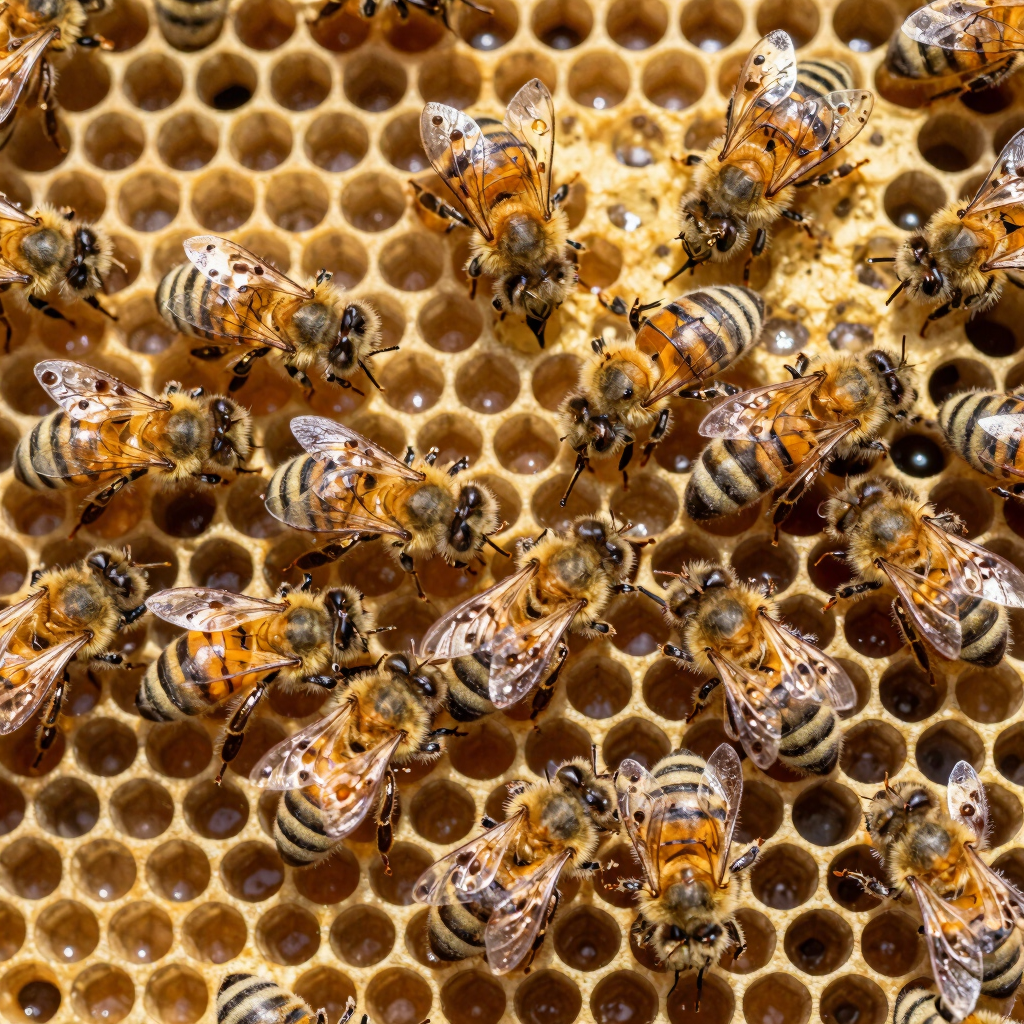
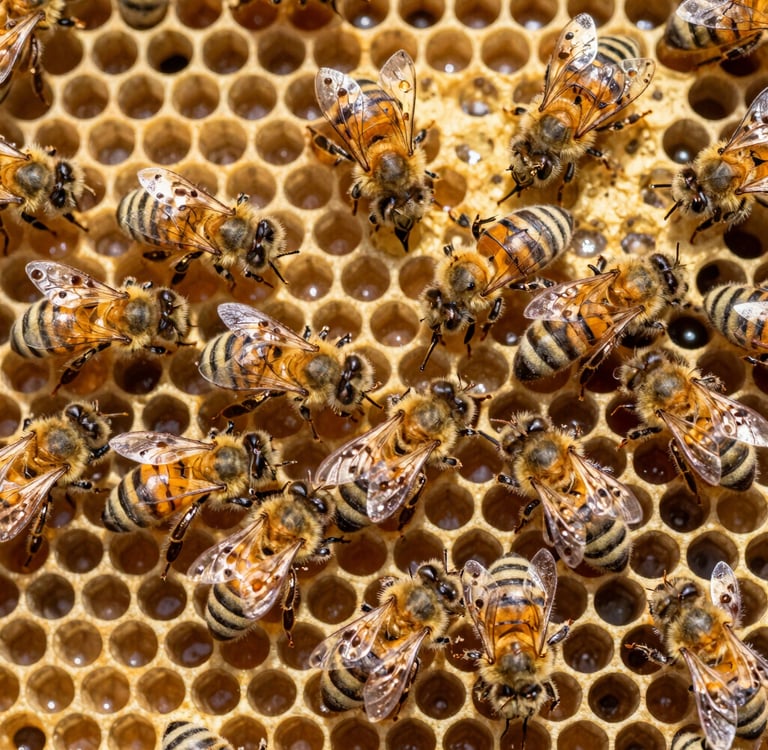
The honeybee is often considered the "invisible engine" of a productive farm, providing essential pollination services that can increase crop yields by as much as 30%. While they are famous for producing honey, their most critical role in an agricultural ecosystem is the fertilization of flowering plants, including many fruits, vegetables, and even cover crops like alfalfa and clover used for livestock feed. In fact, it is estimated that one out of every three bites of food we eat is the direct result of honeybee pollination, making them an invaluable asset for any farm-to-table operation aiming for high-quality, uniform produce and diverse yields.
Choosing the right honeybee breed is a vital decision for a beekeeper, as different genetics offer varying advantages depending on the climate and management style. The Italian honeybee (Apis mellifera ligustica) is the most popular choice in the United States due to its gentle temperament and prolific honey production. They build large, strong colonies quickly and are generally easy for a beekeeper to handle. However, because they maintain a large population throughout the year, they require significant food stores to survive the winter. For farms in cooler or higher-altitude regions, the Carniolan bee (Apis mellifera carnica) is often preferred. Originating from the Alps, Carniolans are more "winter-hardy," flying in cooler and overcast weather when Italians might stay inside the hive. They are also more responsive to the environment, rapidly expanding their numbers in the spring and tapering off in the fall to conserve resources.
Maintaining a healthy apiary involves integrated colony management, which has become increasingly high-tech in 2026. Modern beekeepers often utilize "smart hives" equipped with IoT sensors that monitor internal temperature, humidity, and even the sound frequencies of the bees to detect stress or the beginning of a swarm. Regular inspections remain essential, however, to check for the presence of the Varroa mite, a parasitic pest that is the leading cause of colony decline. Sustainable management also includes providing diverse forage—planting a variety of wildflowers and avoiding harmful pesticides—to ensure the bees have the 50 pounds of pollen and 100 pounds of nectar they need annually to stay nutritionally resilient against disease.
The economic benefits of beekeeping extend beyond the simple sale of honey and beeswax. For a diversified farm, bees represent a secondary revenue stream through "value-added" products like propolis tinctures, pollen, and even royal jelly. Furthermore, the presence of bees enhances the overall biodiversity of the land, supporting the growth of native plants that prevent soil erosion and improve water quality. By integrating beehives into a larger agricultural plan, a producer isn't just "keeping bees"—they are investing in a biological workforce that strengthens the health of the soil, the quality of the livestock feed, and the ultimate success of the farm’s harvest.
Jamell Family Farms
Contact
Newsletter
JamellFamilyFarms@gmail.com
© 2026. All rights reserved.